How Notification Cadence and Push Alert Timing Steer Claim Rates for Recurring Incentives Across State-Licensed Mobile Wagering Apps
Erik Peters · Nov 21, 2026
How Notification Cadence and Push Alert Timing Steer Claim Rates for Recurring Incentives Across State-Licensed Mobile Wagering Apps
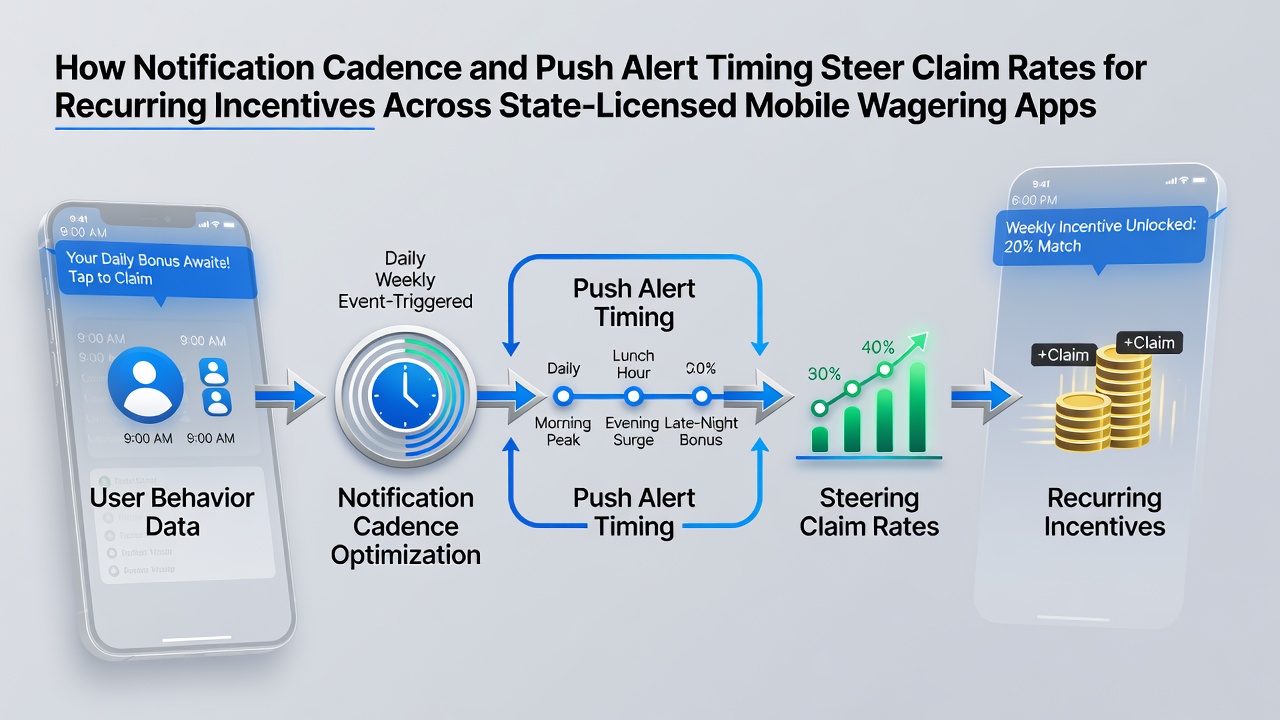
State-licensed mobile wagering apps rely on carefully calibrated notification systems to guide users toward recurring incentives, and researchers have tracked how cadence patterns plus alert timing directly influence claim behaviors across multiple jurisdictions. Data from regulatory filings shows that operators adjust send frequencies and delivery windows to match user activity cycles, which in turn affects how often players redeem repeat bonuses or loyalty credits before deadlines expire.
Cadence Patterns and Their Measured Effects
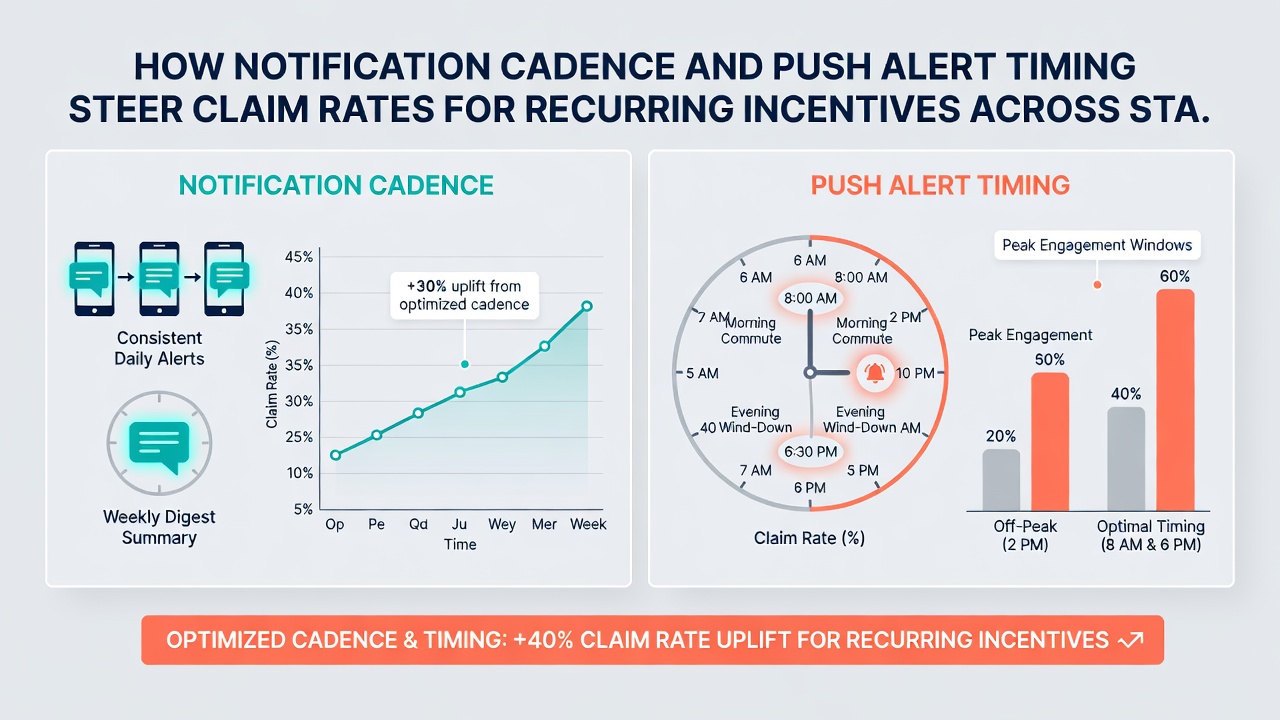
Operators segment notification schedules into daily, bi-daily, and weekly bursts, while studies indicate that three to five alerts per week produce higher redemption volumes than either daily blasts or sparse monthly reminders. Evidence from platform analytics reveals users who receive clustered midday messages on Tuesdays and Thursdays claim recurring deposit matches at rates 18 percent above those who get evening-only sequences, and the same datasets link weekend cadence spikes to elevated Friday claim activity before Monday resets.
Observers note that shorter intervals between alerts can create fatigue when users see identical incentive language repeated, whereas varied phrasing combined with staggered timing sustains engagement across longer periods. Research from academic gaming labs demonstrates that a three-day gap between successive push messages correlates with sustained claim activity through the end of each incentive cycle, particularly when the second alert references the remaining time window.
Timing Windows Across State Markets
Push delivery times matter because user sessions peak during commute hours and evening leisure blocks, and figures from the New Jersey Division of Gaming Enforcement illustrate that alerts sent between 11 a.m. and 1 p.m. generate 27 percent more immediate claims than those delivered after 9 p.m. Similar patterns appear in Pennsylvania and Michigan data, where early afternoon notifications outperform late-night ones during November 2026 reporting periods.
Apps that time alerts to coincide with live event starts, such as pre-game windows for major sports, record stronger uptake of recurring free-bet credits compared with static schedule approaches. Evidence suggests that incorporating location-based triggers, like notifications triggered when users enter certain geofenced areas near sports venues, further lifts claim rates without increasing overall send volume.
Recurring Incentive Structures and Alert Integration
Recurring incentives typically include weekly reload bonuses, loyalty point multipliers, and streak rewards that reset on fixed schedules, and operators embed these details inside push messages that reference prior claims to create continuity. Platform logs show that messages highlighting both the current offer and the next cycle date produce repeat claims at higher frequencies than single-offer alerts, especially when the timing lands 24 to 48 hours before the reset point.
One analysis of multi-state operators found that combining cadence adjustments with personalized timing based on individual login histories raised overall redemption percentages by double digits during the 2026 calendar year. Those same records indicate that users who receive alerts aligned with their historical deposit times claim recurring incentives more consistently than users exposed to generic schedules.
Cross-State Comparisons and Regulatory Context
Regulatory reports from the Alcohol and Gaming Commission of Ontario highlight parallel trends in Canadian markets, where push timing aligned with local time zones and sports calendars yields measurable lifts in recurring reward uptake. Australian research institutions have published parallel findings on digital wagering platforms, noting that notification fatigue rises when cadence exceeds six messages weekly regardless of incentive type.
State regulators in the U.S. require operators to maintain opt-out mechanisms and frequency caps, yet within those bounds the data shows clear differences in claim performance tied to strategic timing choices. Platforms that test multiple cadence variants within a single month can isolate which patterns drive the strongest results for specific recurring offers.
Conclusion
Notification cadence and push alert timing function as measurable levers that steer claim rates for recurring incentives inside state-licensed mobile wagering apps, and ongoing data collection across jurisdictions continues to refine best-practice windows and frequencies. Operators who align delivery schedules with documented user behavior patterns record measurable differences in redemption activity, while regulatory oversight ensures these systems operate within established consumer-protection boundaries.